
Ethical Challenges in Deploying Large Language Model Chatbots for LGBTQ2+ Mental Health Support
DOI:
https://doi.org/10.7202/1124215arKeywords:
LGBTQ2+, large language models, AI chatbotsLanguage(s):
EnglishAbstract
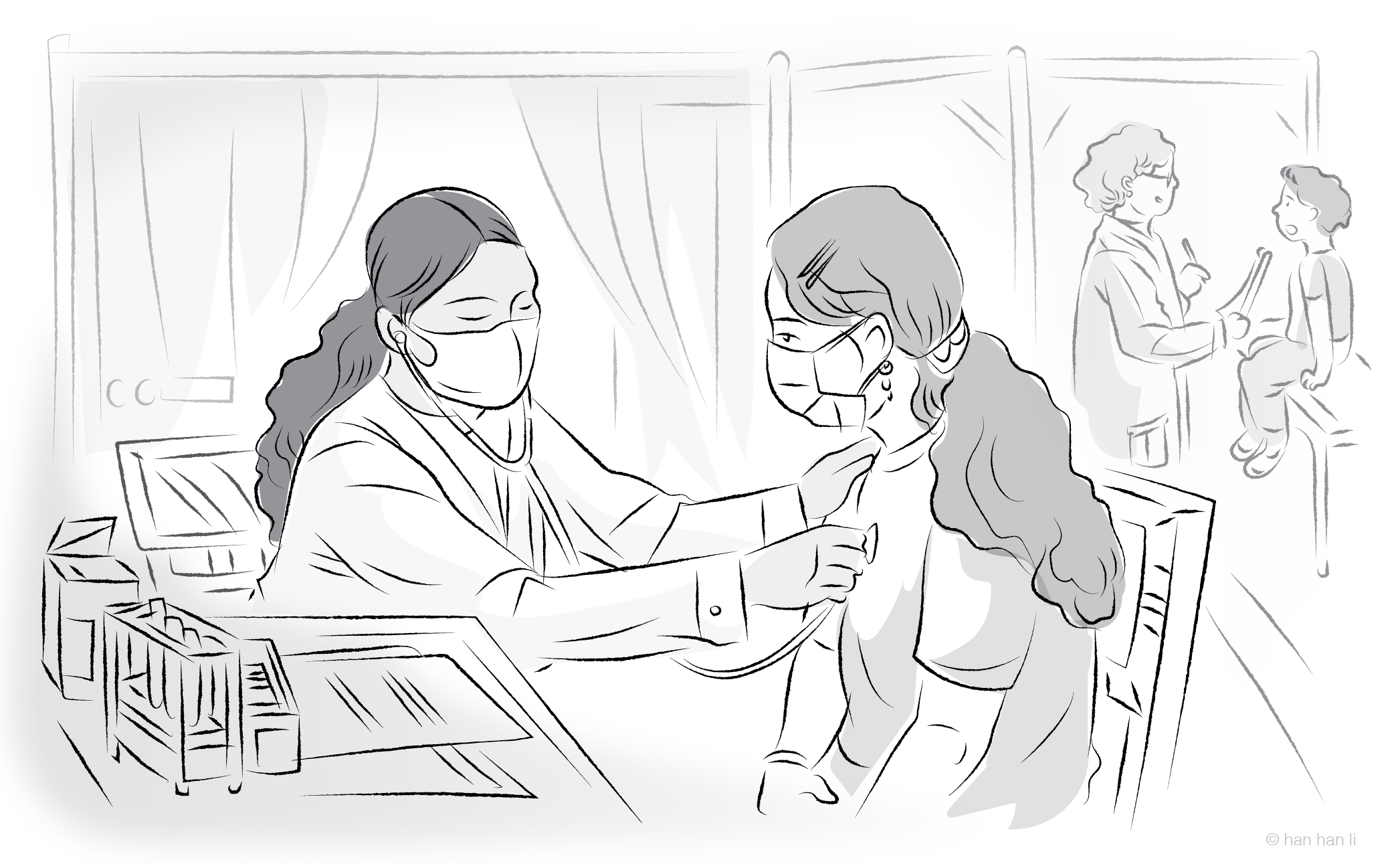
As AI-powered chatbots become more common in mental health care, we explore in this commentary the ethical concerns they raise for LGBTQ2+ individuals — users who already face considerable systemic barriers and stigma. We examine how these tools, while promising greater access, may unintentionally perpetuate harm through bias, privacy risks, and techno-solutionism.
References
1. Xue J, Wang Y-C, Wei C, et al. Bias and fairness in chatbots: an overview. arXiv; 2023.
2. Inderbinen M, Schaefer K, Schneeberger A, et al. Relationship of internalized transnegativity and protective factors with depression, anxiety, non-suicidal self-Injury and suicidal tendency in trans populations: a systematic review. Front Psychiatry. 2021;12:636513.
3. Hainey KJ, Connolly DJ, Thomson R, et al. Mental health outcomes in transgender and nonbinary people: an umbrella review. JAMA Psychiatry. 2025;82(11):1142-51.
4. Kingsbury M, Findlay L. Mental health and access to support among 2SLGBTQ+ youth. Health Rep. 2024;35(11):12-22.
5. Ritunnano R, Papola D, Broome MR, Nelson B. Phenomenology as a resource for translational research in mental health: Methodological trends, challenges and new directions. Epidemiol Psychiatr Sci. 2023;32:e5.
6. Moore C, Dukes C. The value of identity: providing culturally-responsive care for LGBTQ+ patients through inclusive language and practices. Del J Public Health. 2019;5(3):6-8.
7. Frost DM, Meyer IH. Minority stress theory: application, critique, and continued relevance. Curr Opin Psychol. 2023;51:101579.
8. Gessner M, Bishop MD, Martos A, et al. Sexual minority people’s perspectives of sexual health care: understanding minority stress in sexual health settings. Sex Res Soc Policy. 2020;17(4):607-18.
9. Comeau D, Johnson C, Bouhamdani N. Review of current 2SLGBTQIA+ inequities in the Canadian health care system. Front Public Health. 2023;11:1183284.
10. Sinko L, Ghazal LV, Fauer A, Wheldon CW. It takes more than rainbows: supporting sexual and gender minority patients with trauma-informed cancer care. Cancer. 2024;130(4):507-16.
11. Livingston NA, Berke D, Scholl J, et al. Addressing diversity in PTSD treatment: clinical considerations and guidance for the treatment of PTSD in LGBTQ populations. Curr Treat Options Psychiatry. 2020;7(2):53-69.
12. Browning J. Personhood and AI: why large language models don’t understand us. AI Soc. 2024;39(5):2499-2506.
13. Heinz MV, Mackin DM, Trudeau B, et al. Randomized trial of a generative AI chatbot for mental health treatment. NEJM AI. 2025;2(4):AIoa2400802.
14. Mehrabi N, Morstatter F, Saxena N, et al. A survey on bias and fairness in machine learning. ACM Comput Surv. 2021;54(6):115.
15. Ten Tije M. Bias in, bias out? Why AI isn’t as neutral as you think. Tilburg.ai; 2024.
16. Santa Serravalle R, Muñoz Alarcon C, Duran Herrera F. Gender bias in AI: uncovering the roots and shaping inclusive futures. Mondo Internazionale; 26 Mar 2025.
17. Manche R, Myakala PK. Explaining black-box behavior in large language models. Int J Comput Artif Intell. 2022;3(2):102-8.
18. Bartl M, Murphy TB, Leavy S. Adapting psycholinguistic research for LLMs: gender-inclusive language in a coreference context. arXiv:2502.13120; 2025.
19. Mirzaei T, Amini L, Esmaeilzadeh P. Clinician voices on ethics of LLM integration in healthcare: a thematic analysis of ethical concerns and implications. BMC Med Inform Decis Mak. 2024;24:250.
20. Petzel Z, Sowerby L. Prejudiced interactions with large language models (LLMs) reduce trustworthiness and behavioral intentions among members of stigmatized groups. Comput Hum Behav. 2025;165:108563.
21. Russell ST, Fish JN. Mental health in lesbian, gay, bisexual, and transgender (LGBT) youth. Annu Rev Clin Psychol. 2016;12:465-87.
22. McBain RK, Cantor JH, Zhang LA, et al. Competency of large language models in evaluating appropriate responses to suicidal ideation: comparative study. J Med Internet Res. 2025;27:e67891.
23. Scholich T, Barr M, Wiltsey Stirman S, Raj S. A comparison of responses from human therapists and large language model-based chatbots to assess therapeutic communication: mixed methods study. JMIR Ment Health. 2025;12:e69709.
24. Schwartz AP. Why outing can be deadly. National LGBTQ Task Force; 20 Feb 2014.
25. Gümüşel E. A literature review of user privacy concerns in conversational chatbots: a social informatics approach. J Assoc Inf Sci Technol. 2025;76(1):121-54.
26. Garcia v. Character Technologies, Inc., 6:24-cv-01903, (M.D. Fla.).
27. Walters v. OpenAI, L.L.C., 1:23-cv-03122, (N.D. Ga.).
28. May R, Denecke K. Security, privacy, and healthcare-related conversational agents: a scoping review. Inform Health Soc Care. 2022;47(2):194-210.
29. The California Consumer Privacy Act of 2018, CA Civ Code § 1798.100 (2018).
30. Office for Civil Rights. Summary of the HIPAA Privacy Rule (original ruling 1996). U.S. Department of Health and Human Services; 2025.
31. Cambridge Dictionary. Techno-solutionism.
32. Eubanks V. Automating Inequality: How High-Tech Tools Profile, Police, and Punish the Poor. New York: St. Martin’s Press; 2018.
33. Beyene LS, Strand EB, Misund AR, et al. Conceptualizing healthcare professionals’ relational competence in mental healthcare: an integrative review. Int J Nurs Stud Adv. 2024;7:100266.
34. Miles O, West R, Nadarzynski T. Health chatbots acceptability moderated by perceived stigma and severity: a cross-sectional survey. Digit Health. 2021;7:20552076211063012.
35. Shen J, DiPaola D, Ali S, et al. Empathy toward artificial intelligence versus human experiences and the role of transparency in mental health and social support chatbot design: comparative study. JMIR Ment Health. 2024;11:e62679.
36. Glynn TR, Gamarel KE, Kahler CW, et al. The role of gender affirmation in psychological well-being among transgender women. Psychol Sex Orientat Gend Divers. 2016;3(3):336-44.
37. Long Y, Ma Z, Mei Y, Su Z. AffirmativeAI: towards LGBTQ+ friendly audit frameworks for large language models. arXiv:2405.04652; 2024.
Published
How to Cite
Issue
Section
License
Copyright (c) 2026 Alexandre Ngoc Nguyen Teichmann, Jiayi Xing

This work is licensed under a Creative Commons Attribution 4.0 International License.
The Canadian Journal of Bioethics applies the Creative Commons Attribution 4.0 International License to all its publications. Authors therefore retain copyright of their publication, e.g., they can reuse their publication, link to it on their home page or institutional website, deposit a PDF in a public repository. However, the authors allow anyone to download, reuse, reprint, distribute, and/or copy their publication, so long as the original authors and source are cited.












_smaller.png)